
Why Black Families Lose Life Insurance Coverage More Often
By James A. Sabb | July 2026 | 5 min read
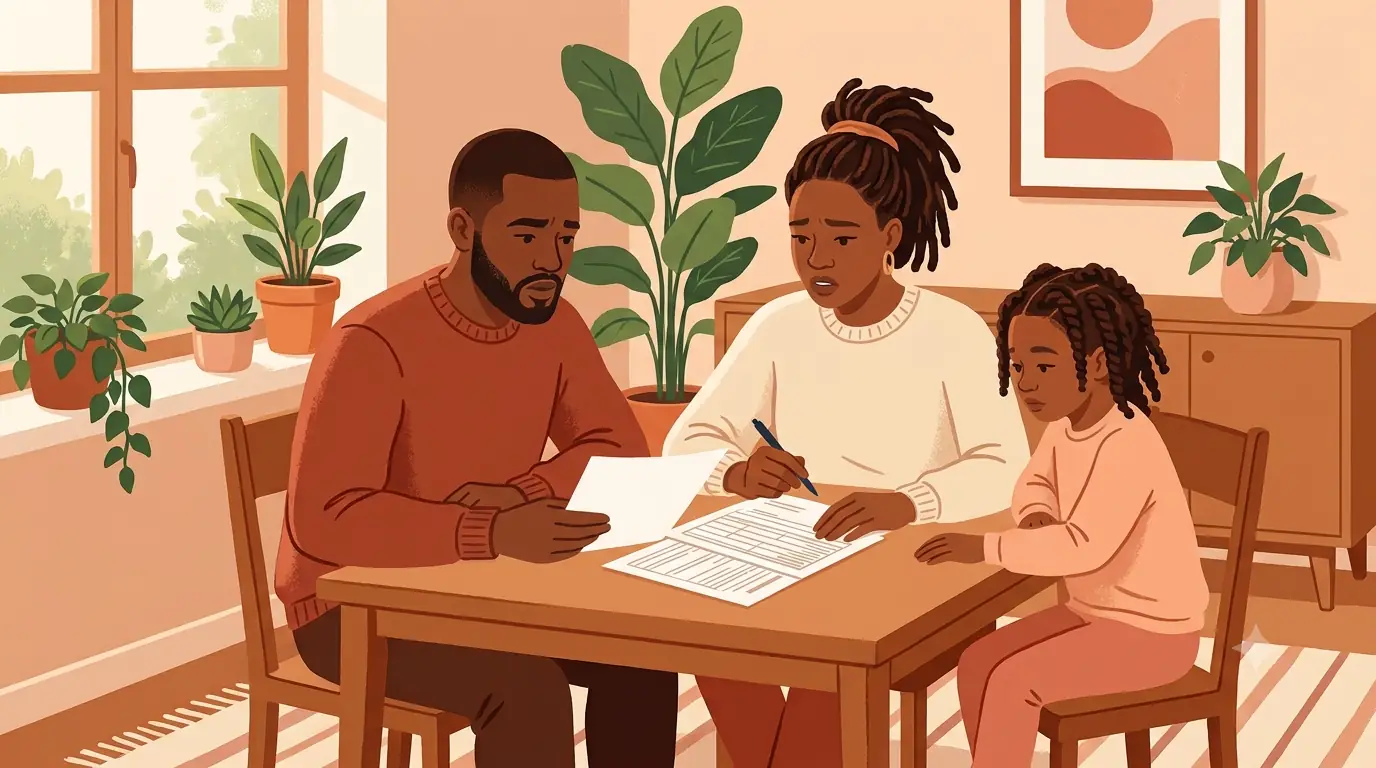
You have been paying on a policy for years. Then something shifts. A job ends. A medical bill shows up bigger than expected. Now you are choosing which bill gets paid this month, and life insurance, quiet, in the background, feels like the one that can wait.
One missed payment can cost more than people realize. Once a policy lapses, the protection is gone, and getting it back usually means starting over older, and paying more, if you qualify at all.
This is not about people not caring. It is about cushion. When there is less room in the budget to absorb a hit, harder choices get made sooner. The wealth gap makes those moments come faster and hit harder for Black families.
What Happens When You Stop Paying
Most policies come with a grace period, usually around 30 days. During that time, your coverage is still in place, but the clock is ticking.
After that, the outcome depends on the type of policy. With term life insurance, a lapse typically means the coverage ends. With whole life policies that have built cash value, there may be options, like using that value to keep the policy going for a while, but once that is exhausted, the policy still lapses.
If you want coverage again later, you are not picking up where you left off. You are applying fresh, at your current age, at current rates, and possibly with new health requirements.
For the exact mechanics, grace periods, Automatic Premium Loans, reinstatement windows, see what actually happens when you stop paying your premium.
Lapses Aren’t About Carelessness, They’re About Cushion
Research from Wharton makes this clear: people do not let policies lapse because they forget or do not care. Lapse behavior tracks income shocks and liquidity problems.
When money gets tight, smaller policies, often held by lower-income households, are the ones that go first. During recessions, lapse rates rise across the board. That points to what this is: not a mindset issue, a financial cushion issue.
What to Do Before You Miss a Payment
Call the insurance company before the premium is due, not after. Ask directly about your options. Some insurers can extend a grace period. If it is a whole life policy with cash value, ask about reduced paid-up coverage, lowering the death benefit so the policy can stay in force without new premiums.
The goal here is not perfection. It is keeping some protection in place instead of losing everything. If you need a refresher on how different policies work, see our Life Insurance Explained guide.
It’s also worth seeing how life insurance fits into your broader financial plan.
What to Do If a Policy Already Lapsed
Do not assume it is over without checking. Many insurers allow reinstatement within a certain window. That usually means catching up on missed premiums and, in some cases, providing proof of insurability again. There are no guarantees, so ask your specific company what is possible.
If reinstatement is not an option, you can look at a new policy. Understand the tradeoff: you will be older, premiums will likely be higher, and health changes may affect eligibility. Start with a phone call to the insurer and get clear on your options before making the next move.
The Bottom Line
A lapse happens when there is not enough financial cushion to absorb a hit, not because of who you are or how much you care. The earlier you act, the more options you have. Waiting until after a policy lapses limits what can be done. If a payment might be missed, pick up the phone before the due date. That one step can be the difference between keeping some coverage and losing it entirely.
Frequently Asked Questions
What happens if I miss a life insurance payment?
Most policies give you a grace period, often around 30 days, where coverage continues while the payment is still outstanding. If the premium is not paid by the end of that period, the policy can lapse and coverage ends. What happens next depends on the type of policy and whether there is any cash value.
Can I get my life insurance policy back after it lapses?
In some cases, yes. Many insurers offer a reinstatement window where you can restore the policy by paying missed premiums and possibly providing updated health information. It is not automatic, so the best step is to contact your insurer and ask what is available in your situation.
Does a lapsed policy affect my credit?
A lapsed life insurance policy does not typically affect your credit score. Life insurance premiums are not reported to credit bureaus the way loans or credit cards are. The main impact is the loss of coverage, not your credit profile.
What is reduced paid-up insurance?
Reduced paid-up insurance is an option available on some whole life policies with cash value. It allows you to stop paying premiums and keep a smaller death benefit in force using the value already built up in the policy. It is a way to maintain some protection when full premiums are no longer affordable.
Want to keep learning?
Explore plain-language guides on insurance, money, and everything in between.
Written & Reviewed by James A. Sabb
30+ Years Experience | Health Insurance Advisory Since 2015 | CEO, Sabb Media International LLC
James A. Sabb has spent over three decades in regulated industries, including 10+ years advising individuals and families on health insurance decisions. He founded SabbMedia.com to bring that expertise to everyday people, no sales pressure, no jargon, just clarity.
Disclaimer: James shares this content to educate, not to advise. For decisions specific to your situation, always consult a licensed insurance professional or financial advisor.