
What to Do After a Car Accident: The Insurance Steps That Protect You
By James A. Sabb | June 2026 | 6 min read
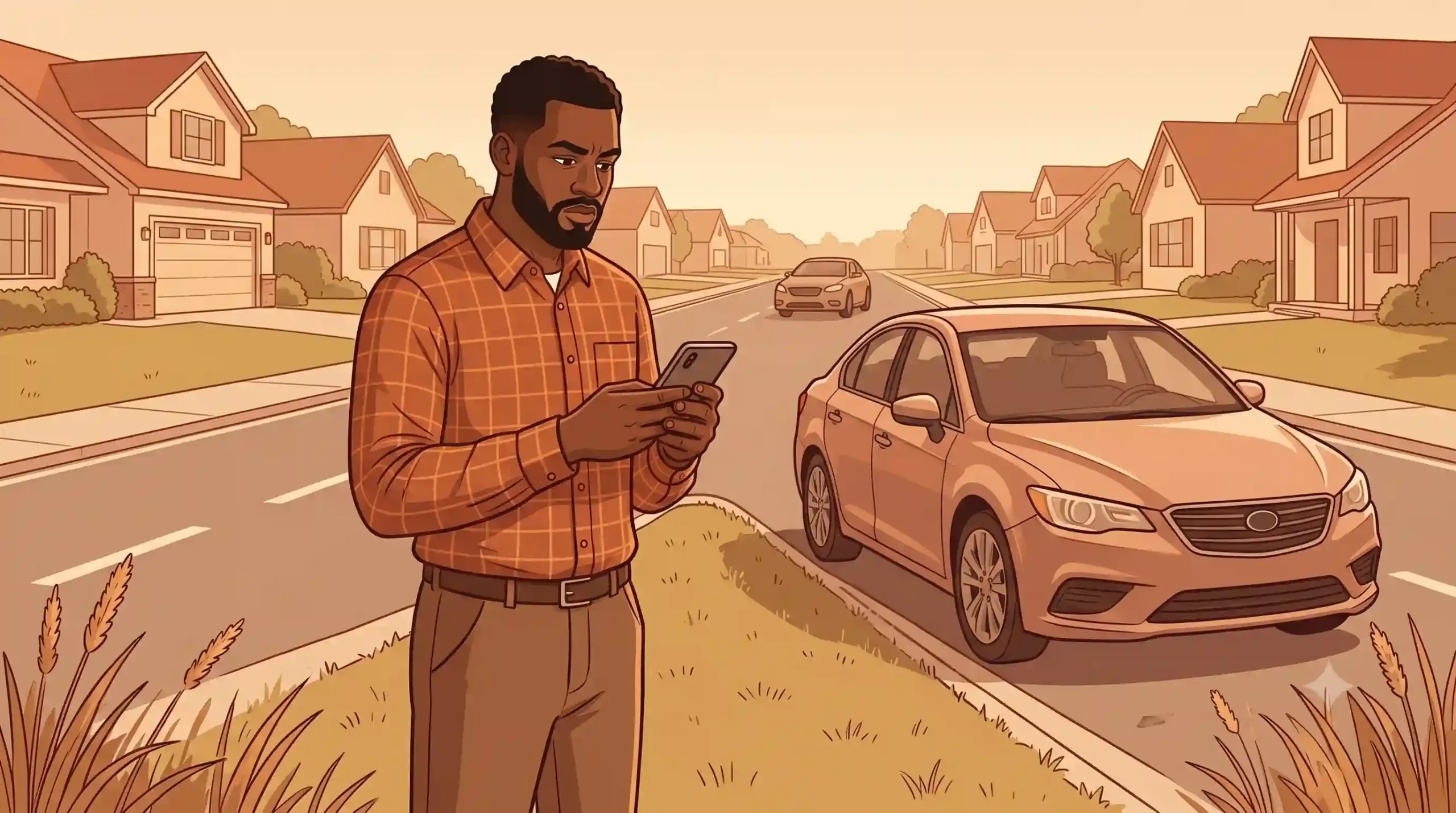
The moments right after a car accident are disorienting. Most people have not been in one for years, if ever. What you do in the first 15 minutes, and the hours that follow, can determine whether your car accident insurance claim moves forward cleanly or gets complicated. This guide walks through each step in order, from the moment the cars stop moving to the day your claim is resolved.
First Things First: Check for Injuries and Secure the Scene
Check yourself and every passenger in your vehicle before doing anything else. If someone is seriously hurt, call 911 immediately and do not move them unless there is an immediate danger such as a fire or oncoming traffic.
If the vehicles are driveable and the accident happened in a travel lane, move them to the shoulder or a nearby parking lot. Turn on your hazard lights. Do not leave the scene under any circumstances. Leaving the scene of an accident is a criminal offense in every state and will damage any car accident insurance claim you try to file afterward.
Car Accident Insurance Steps to Take at the Scene
Once the scene is secure, these are the steps that directly protect your position with your insurer and the other party’s carrier.
Call the Police
A police report creates an official, independent record of what happened. Many insurance companies require one to process a claim, and some will deny claims filed without one. Even for minor accidents where both drivers seem cooperative, call the police and get the report number before you leave the scene.
Document Everything Before Anyone Moves
Use your phone to photograph the damage on both vehicles from multiple angles, the positions of the cars before they move, both license plates, any visible injuries, road and weather conditions, traffic signals, and any skid marks. The more documentation you have, the stronger your car accident insurance claim becomes. Take more photos than you think you need.
Exchange Information Correctly
Get the following from every other driver: full name, driver’s license number, insurance company name, policy number, license plate number, and vehicle make, model, and year. If there are witnesses, collect their names and phone numbers too. Do not rely on memory. Write it down or photograph their documents directly.
Do Not Admit Fault
This is the step most people get wrong. Do not say “I’m sorry,” “I didn’t see you,” or anything that implies responsibility. Even a reflexive apology can be used as an admission of liability by the other driver’s insurance company. Limit what you say at the scene to exchanging information and speaking with the responding officer. The police report and the claims process establish fault. That is not your job at the scene.
Notify Your Insurance Company
Contact your insurer as soon as you leave the scene, or from the scene if you can. Most policies include a prompt notification requirement. Delaying that call, even by a day or two, can give the carrier grounds to complicate your claim. Give them the facts: what happened, where, and the information you collected. Do not speculate about fault on that call.
What to Avoid in the Hours and Days After
The car accident insurance process continues long after you leave the scene. These are the mistakes that hurt claims after the fact.
- Do not accept a cash settlement at the scene. Adrenaline masks injuries. Damage that looks minor can cost thousands to repair. Any agreement made on the spot is nearly impossible to reverse once signed.
- Do not post about the accident on social media. Insurance adjusters and attorneys routinely monitor social media after a claim is filed. A photo or comment can be used to dispute your version of events.
- Do not give a recorded statement to the other driver’s insurance without guidance. Their adjuster represents their client, not you. Contact your own insurer first and ask how to handle that request before agreeing to anything.
- Do not delay medical attention. If you are injured, seek treatment promptly. Gaps between the accident date and your first medical visit give insurance companies grounds to argue your injuries were not caused by the accident.
What Happens After You File Your Car Accident Insurance Claim
Once your claim is filed, your insurer assigns an adjuster to the case. The adjuster reviews the police report, your photos, statements from both parties, and the vehicle inspection. Based on that review they issue a settlement offer.
That first offer is not always final. If the settlement undervalues your damages, gather independent repair estimates, document your full losses, and present that case to the adjuster. If the dispute cannot be resolved, your policy may include an appraisal clause or arbitration process. For a plain-language breakdown of how each coverage type factors into the claims process, the Auto Insurance Explained guide covers each one.
Frequently Asked Questions
Do I have to call the police after a minor accident?
Most states require you to report any accident involving injury or property damage above a certain dollar threshold, typically between $500 and $1,000. Even when a police report is not legally required, having one protects your car accident insurance claim. Without it the claim becomes your word against the other driver’s, which makes any dispute significantly harder to resolve in your favor.
How long do I have to file a car accident insurance claim?
Time limits vary by state and by policy. Most insurers require prompt notification, typically defined as reporting within a few days of the accident. Separate from the insurance claim, each state has a statute of limitations for filing a lawsuit, which ranges from one to six years. Check your policy documents and contact your insurer as soon as possible after any accident. According to the National Association of Insurance Commissioners, delays in reporting are one of the most common reasons claims are disputed.
What if the other driver does not have insurance?
If you carry uninsured motorist coverage, that is exactly what it is designed for. Your own policy steps in to cover your damages when the at-fault driver has no insurance. This is one of the primary reasons uninsured motorist coverage is worth keeping, even when you are actively looking for ways to reduce your overall car insurance costs.
Can the other driver’s insurance company contact me directly?
Yes, and they likely will. You are not required to provide a recorded statement to the other driver’s carrier. Refer them to your own insurance company and let your insurer manage that communication. The other party’s adjuster works for their client, not for you. Letting your carrier handle that back-and-forth protects your position throughout the car accident insurance claim process.
The Bottom Line
The car accident insurance steps you take in the first hour matter more than most people realize. Check for injuries, secure the scene, call the police, document everything, exchange information without admitting fault, and notify your insurer before the day is over. Skip the roadside cash deals, stay off social media, and let your claims team do their job. The Smart Money Hub has more plain-language guides on auto insurance, financial planning, and protecting what your household has worked to build.
Need to understand your auto coverage better?
Explore plain-language insurance and money guides built for everyday families.
Written & Reviewed by James A. Sabb
30+ Years Experience | Health Insurance Advisory Since 2015 | CEO, Sabb Media International LLC
James A. Sabb has spent over three decades in regulated industries, including 10+ years advising individuals and families on health insurance decisions. He founded SabbMedia.com to bring that expertise to everyday people, no sales pressure, no jargon, just clarity.
Disclaimer: The content on this page is intended for educational and informational purposes only. It does not constitute financial, legal, or insurance advice. Sabb Media International LLC is not a licensed financial advisor or insurance broker. Always consult a qualified, licensed professional before making any financial or insurance decisions.