
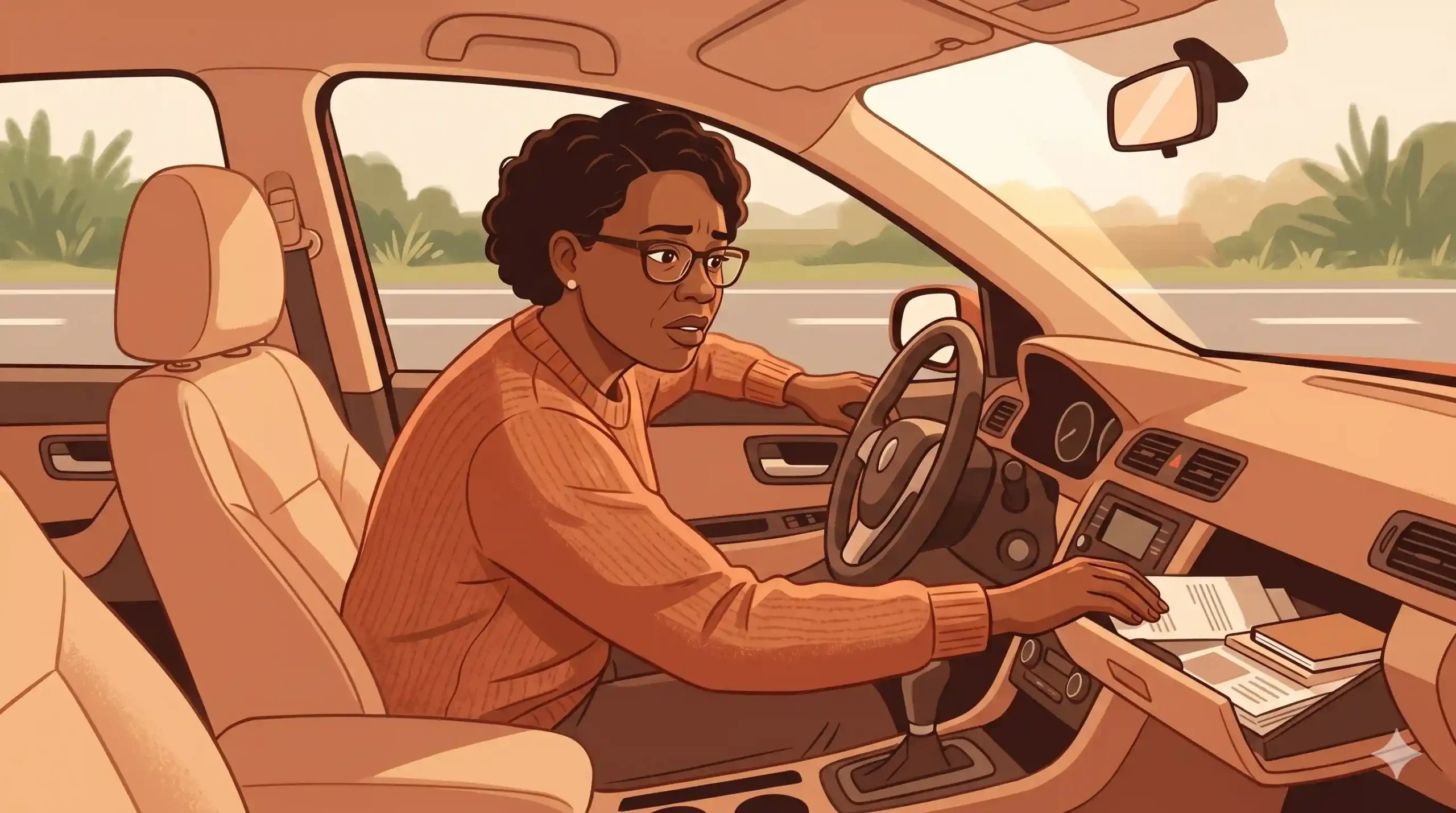
Driving Without Insurance: 5 Critical Risks and What the Law Says
By James A. Sabb | June 2026 | 5 min read
Driving without insurance might seem like a small risk on a short trip or a temporary solution when money is tight. In practice it exposes you to consequences that can cost far more than any premium you were trying to avoid — license suspension, heavy fines, and personal financial liability that can follow you for years. This guide covers what the law says, what happens when you get caught, and what your actual options are if you cannot afford coverage right now.
Is Driving Without Insurance Illegal?
Driving without insurance is illegal in 49 out of 50 states. New Hampshire is the only state that does not require auto insurance by law — but even there, drivers must prove they can cover damages out of pocket if they cause an accident. Virginia previously offered a fee-based uninsured option but closed that program in 2024. Every other state requires a minimum level of liability coverage to legally operate a vehicle on public roads. According to the National Association of Insurance Commissioners (NAIC), minimum coverage requirements vary by state but the legal obligation to carry some form of financial responsibility is nearly universal.
What counts as proof of insurance also varies. Most states require you to carry a physical or digital insurance card and present it at traffic stops or after an accident. Some states participate in electronic verification systems that allow law enforcement to confirm coverage in real time without you presenting anything.
5 Critical Risks of Driving Without Insurance
The penalties for driving uninsured are not minor inconveniences. These are the five real consequences you face.
- Fines and fees. First-offense fines for driving without insurance range from $100 in some states to over $1,500 in others. Many states also add reinstatement fees, court costs, and administrative penalties on top of the base fine. A single traffic stop can generate more in fees than a full year of basic liability coverage.
- License and registration suspension. Most states suspend your driver’s license and vehicle registration automatically when they confirm you are uninsured. Reinstatement requires proof of coverage, payment of fees, and in some states a mandatory waiting period. Driving on a suspended license is a separate criminal offense that compounds the original problem.
- Vehicle impoundment. Several states allow law enforcement to impound your vehicle on the spot if you cannot provide proof of insurance. Recovering an impounded vehicle adds towing fees, daily storage charges, and additional administrative costs before you get your car back.
- Personal financial liability. This is the most serious risk. If you cause an accident while uninsured, you are personally responsible for every dollar of damage — vehicle repairs, medical bills, lost wages, and legal fees for anyone you injure. A serious accident can generate liability that exceeds $100,000. Without insurance, that comes out of your pocket, your savings, and potentially your future earnings through wage garnishment.
- Higher premiums when you do get covered. Insurers check your coverage history when you apply for a policy. A gap in coverage — even a short one — flags you as higher risk and results in significantly higher premiums. Driving without insurance today makes coverage more expensive for years afterward.
What Happens If You Get Caught Driving Without Insurance
The sequence after a traffic stop where you cannot prove coverage typically moves fast. The officer issues a citation on the spot. The state’s DMV is notified and begins the suspension process, often within 30 days. You receive notice by mail with a deadline to provide proof of coverage or pay a fee. Miss that deadline and the suspension goes into effect. Once suspended, driving at all — even to work — creates a second legal problem on top of the first.
If you are involved in an accident while driving without insurance, the process is more serious. The other party can sue you directly in civil court. A judgment against you can result in wage garnishment or liens on property. Some states also classify repeat uninsured driving offenses as misdemeanor crimes, not just traffic violations, which means a possible criminal record.
For a full breakdown of the minimum coverage types required in most states, read our guide to auto insurance explained and our breakdown of how auto insurance deductibles work.
If You Cannot Afford Coverage Right Now
Cost is the most common reason people drive without coverage. If that is your situation, these are your actual options before dropping insurance entirely.
- Drop to liability only. If you carry collision and comprehensive on an older vehicle, removing those coverages and keeping liability can cut your premium significantly while keeping you legal.
- Raise your deductible. Moving from a $500 to a $1,000 deductible typically reduces your premium by 15 to 30 percent. You take on more risk per claim but you stay covered and legal.
- Shop your policy. Premiums vary widely between insurers for the same driver. Getting three quotes takes less than an hour and can reveal significant savings without reducing your coverage.
- State assistance programs. California, New Jersey, and Hawaii offer low-income auto insurance programs with premiums as low as $244 per year for qualifying drivers. Check your state’s insurance commissioner website for similar programs.
Frequently Asked Questions
What is the minimum auto insurance required by law?
Every state sets its own minimums but the baseline in most states is liability coverage — bodily injury and property damage. This covers damage and injuries you cause to others. It does not cover your own vehicle or medical bills. Minimum liability limits are often expressed as three numbers such as 25/50/25, meaning $25,000 per person for bodily injury, $50,000 per accident, and $25,000 for property damage.
Can I drive someone else’s car if I don’t have insurance?
Generally yes, with permission. Auto insurance follows the vehicle, not the driver. If you have permission to drive someone’s insured car and you get into an accident, their insurance is typically the primary coverage. However if you are a regular driver of that vehicle, you should be listed on their policy. Borrowing a car occasionally is different from regularly driving one you are not insured on.
How long can I go without auto insurance between policies?
Any gap in coverage is a risk. Even a few days between policies can be flagged by insurers as a lapse and raise your future premiums. If you are switching insurers, make sure your new policy starts the same day your old one ends. If you are not driving for an extended period, consider a storage or non-owner policy to maintain continuous coverage history.
Will my car be covered if someone without insurance hits me?
Only if you carry uninsured motorist coverage, which is optional in some states and required in others. Without it, if an uninsured driver hits you and cannot pay, you absorb the cost yourself unless you have collision coverage. Uninsured motorist coverage is one of the most underutilized protections available and worth adding if your policy does not already include it.
The Bottom Line
Driving without insurance is a gamble where the downside is far larger than the money you save. Fines, suspensions, impoundment, and unlimited personal liability are all on the table from a single traffic stop or accident. If cost is the problem, the right move is reducing coverage smartly — dropping to liability only, raising your deductible, or shopping for a lower rate — not dropping coverage entirely. Stay legal, stay protected, and know what your policy actually covers before you need it.
Want to understand what your auto policy actually covers?
Read our plain-language breakdown of every coverage type. No jargon, no sales pitch.
Written & Reviewed by James A. Sabb
30+ Years Experience | Health Insurance Advisory Since 2015 | CEO, Sabb Media International LLC
James A. Sabb has spent over three decades in regulated industries, including 10+ years advising individuals and families on health insurance decisions. He founded SabbMedia.com to bring that expertise to everyday people — no sales pressure, no jargon, just clarity.
Disclaimer: The content on this page is intended for educational and informational purposes only. It does not constitute financial, legal, or insurance advice. Sabb Media International LLC is not a licensed financial advisor or insurance broker. Always consult a qualified, licensed professional before making any financial or insurance decisions.